Fagaras Fortress
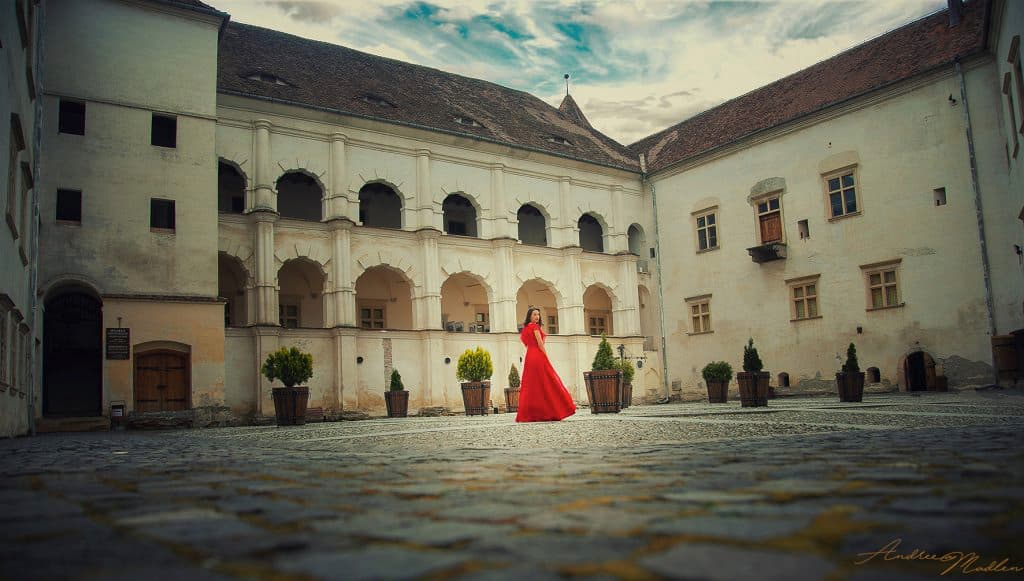
In 2014, Fagaras fortress was nominated by Hopper as the second most interesting castle in the world. First place was taken by Neuschwanstein Castle, Germany. While third place was given to Durham…
Andreea Madlen26 Nov 20173 min read
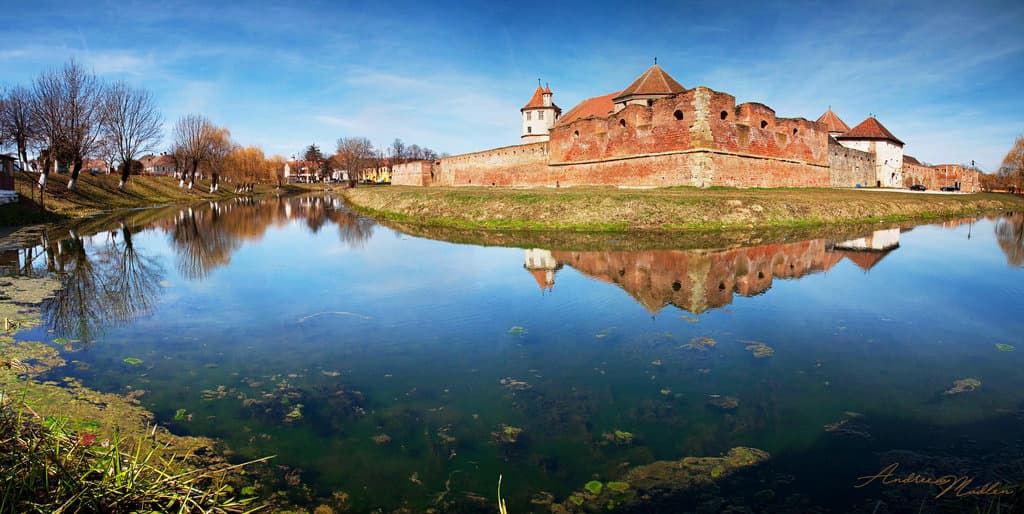
In 2014, Fagaras fortress was nominated by Hopper as the second most interesting castle in the world. First place was taken by Neuschwanstein Castle, Germany. While third place was given to Durham Castle, UK, it being also part of the UNESCO world heritage sites.
Ok, fine, but what’s Hopper? Hopper, part of the Huffington Post, is a site dedicated to travelers.
The ranking was made by both amateurs and experts in the field of architecture who saw Fagaras fortress as being “one of Eastern Europe’s largest and best-preserved feudal Castle complexes”. In the article it has also been pointed out that the fortress has been expanded throughout the 17th century: “In the past, the citadel was expanded continuously, reflecting the growing wealth of a centre that exercised control over much of Transylvania and central Romania”.
A year later, in 2015, the fortress was awarded a certificate of excellence by Trip Advisor, along with Waterfall Capra (5km from Lake Balea), because of the visiting tourists, reviews and excellent ratings given to these two landmarks.
It’s impossible not to see it while passing through Fagaras, the fortress is easily viewed from DN1, and even easier is too see the imposing Cathedral “Sf. Ioan Botezatorul”, but that’s a story for another time.
It was built by Ladislau Apo on the ruins of a wooden fortress in 1310, throughout trime it was subjected to many changes and it was, at some point, even the main residence for the Transylvanian lords.
In the year 1599 the fortress was taken by the ruler Mihai Viteazul. Upon entering the fortress, a statue of the ruler’s wife can be seen, which had been built as a result of the victory of the first union.
In the 17th century, thanks to the numerous successful conquests done by Mihai Viteazu, the fortress was improved considerably, and later became the residence and political-administrative centre for the Transylvanian princes.
In 1965, this beautiful tourist attraction was rebuilt again. 21 million lei (about 4.5 million euro) were granted in order to significantly consolidate and improve the fortress.
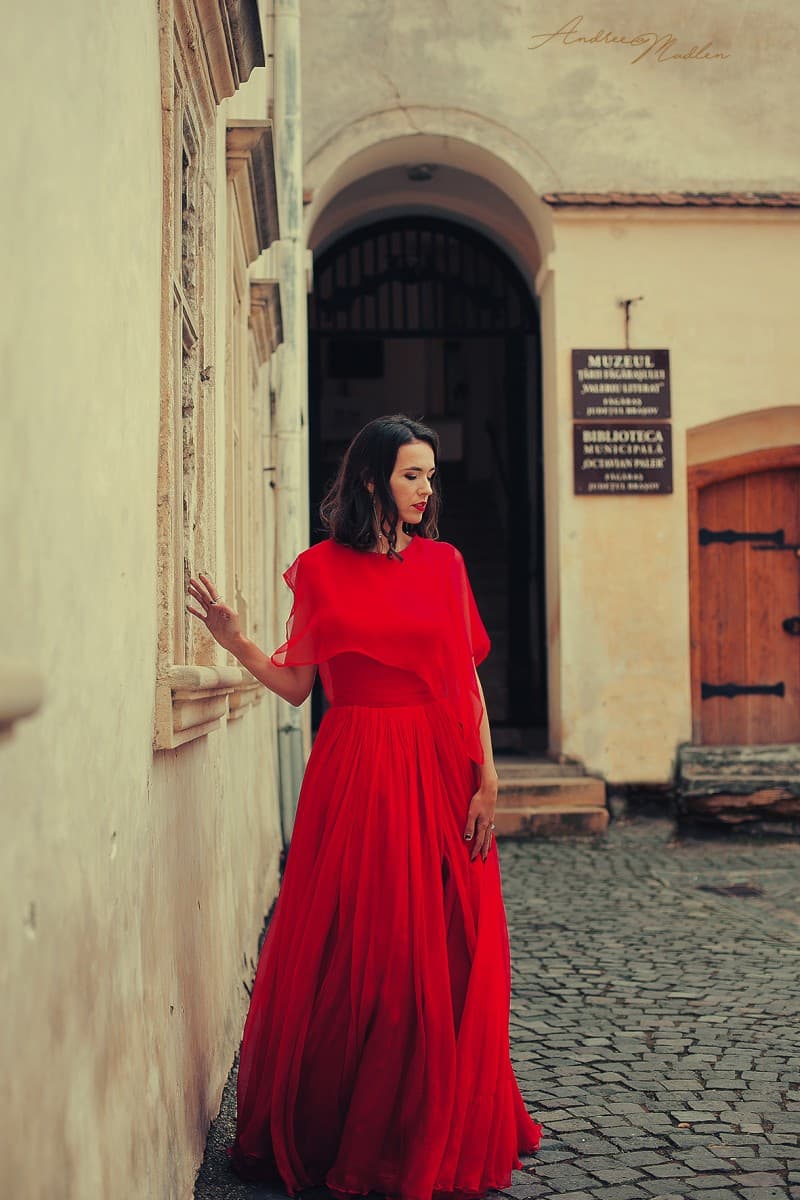
The municipal library can be found inside the fortress, as well as the Museum of Tara Fagarasului, set up where there were once the cells for the serfs.
I am delighted to see things go so well. The fortress is appreciated both online and offline. I saw busses with spanish tourists who intended to visit the fortress. I hope a lot of foreigner tourists come to visit it because it’s truly worth visiting. Not only it’s incredibly stunning, it’s also well maintained. Both inside and outside, everything is impeccable. I was pleasantly surprised to see that considerable investments were made in order to make the fortress look so well.
Attached you can find the contacts and the schedule, in case you wish to visit the fortress:
- Summer schedule: 15 May – 15 September
Monday: closed
Tuesday – Friday: 08:00 – 19:00 (8am – 7pm)
Saturday – Sunday: 10:00 – 18:00 (10am – 6pm) - Winter schedule: 16 September – 14 May
Monday: closed
Tuesday – Friday: 08:00 – 17:00 (8am – 5pm)
Saturday – Sunday: 09:00 – 17:00 (9am – 5pm)
It is possible to enter until one hour before closing.
Guide available in: romanian, english, french (free for organized groups of at least 15 people, between Tuesday and Friday, while on Saturday and Sunday only if booked in advance).
Phone number: 0040-268-211-862
E-mail: [email protected]